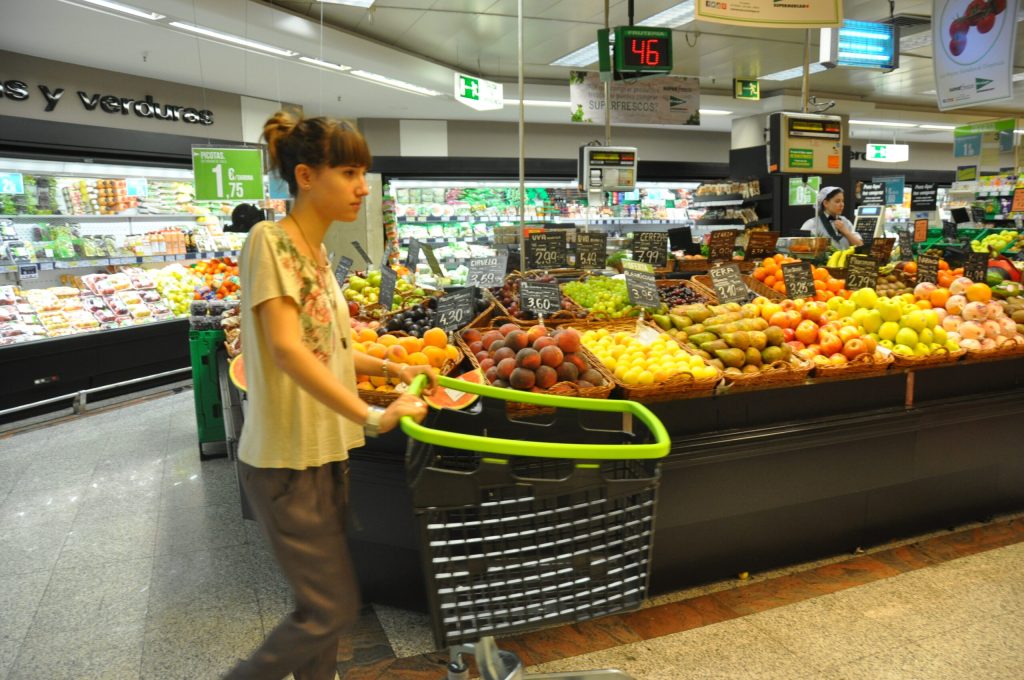
Large or small supermarket trolleys. How to choose them by supermarket type
Choosing the right supermarket trolley is a key decision that can directly influence your customers’ experience and the profits of your point of sale.
Large trolleys or small ones? It all depends on the type of supermarket you run and the needs of your shoppers.
That’s why in this article we’ll discuss which option is best for you and how to optimise this choice.
The importance of having large supermarket trolleys
If you’re thinking about buying large supermarket trolleys for your store, you need to assess how they fit your store’s philosophy and your customers’ expectations.
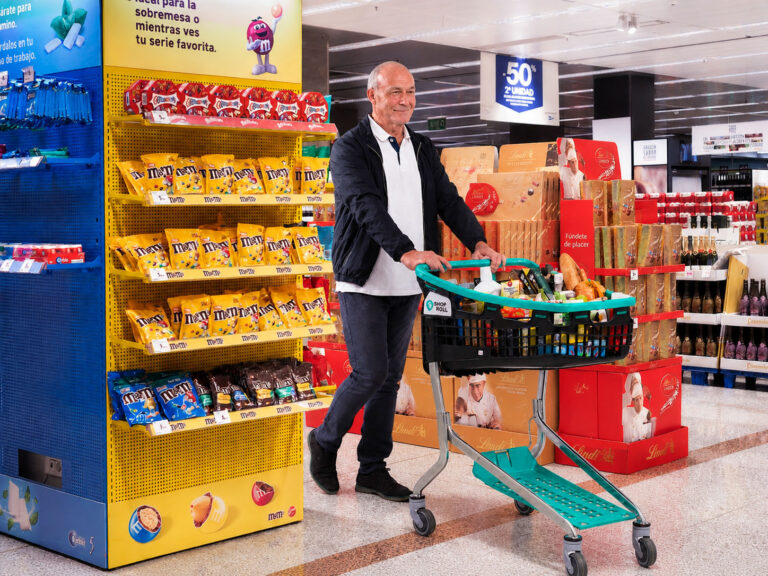
For example, a large supermarket trolley is ideal for spaces where consumers do their weekly or monthly shop, stocking up their pantry with bulk products or family packs.
Large supermarket trolleys have clear advantages that can be highly attractive.
Let’s look at some of them:
- Greater capacity. Ideal for large shops, these trolleys let customers carry more products in a single visit.
- Better shopping experience. They reduce the need to carry extra products by hand or look for a second trolley.
- Customer segmentation. They are perfect for high-capacity supermarkets where customers value comfort and efficiency.
When small supermarket trolleys are the best option
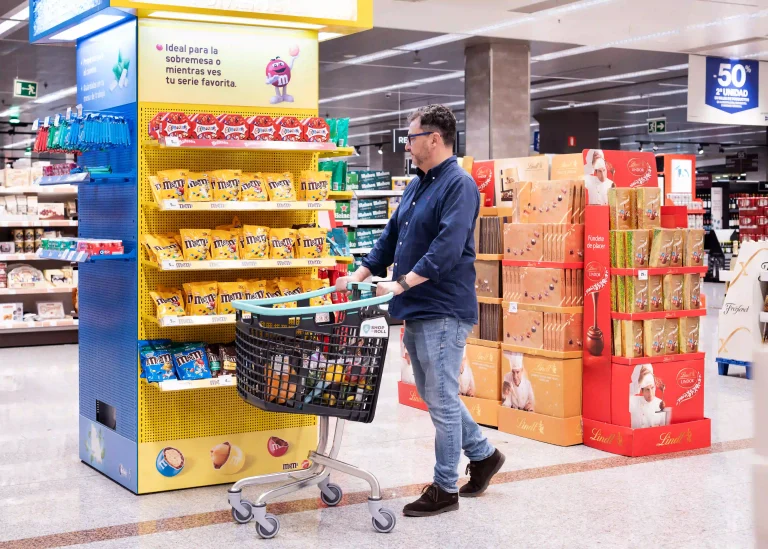
Small supermarket trolleys also play an important role in the market, as they are especially useful in convenience stores or spaces where customers do quick, light shops.
- Compact design. Ideal for narrow aisles and areas with high customer turnover.
- Affordable cost. Their price is lower, making them a good option for points of sale with tighter budgets.
- Easy handling. They are light, easy to move and less intimidating for shoppers.
Key factors to consider when deciding
When deciding between large or small supermarket trolleys, you should keep these factors in mind.
- Supermarket size. In a hypermarket, large supermarket trolleys are essential, while in a neighbourhood store, small ones may be enough.
- Type of customer. If your target audience is large families, a large supermarket trolley will be more practical, while for individual customers or students, small ones will be more suitable.
- Product variety. Supermarkets with a wide range of bulk options or family packs require high-capacity supermarket trolleys.
- Store layout. A small space or one with tricky corners favours the use of small supermarket trolleys.
- Large trolleys usually have a higher initial cost, but their durability can justify the investment if your supermarket has high demand.
And in case you still have doubts, here are some strategies to help you find the right balance.
- Combine options. Many successful stores offer a mix of large and small supermarket trolleys. This way, each customer can choose according to their needs.
- Pilot test. Before investing in large quantities, purchase just a few models and see how your customers and staff respond.
- Look for quality. Whether you go for large or small trolleys, make sure they are durable, manoeuvrable and comfortable.
- Assess long-term costs. A large supermarket trolley may represent a higher initial investment, but its durability and the value perceived by customers could offset that expense.